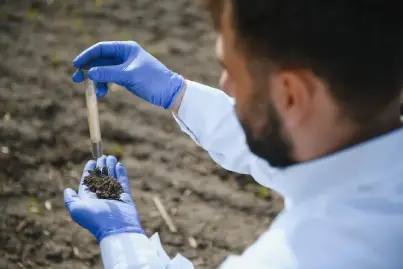
Importance of Soil Testing for Better Crop Yield
Importance of Soil Testing for Better Crop Yield
Soil is the foundation of agriculture. No matter how good the seeds, fertilizers, or irrigation methods are, crop performance largely depends on soil health. Soil testing is a scientific method that helps farmers understand the nutrient status, composition, and overall condition of their soil. By knowing what the soil lacks and what it already contains in excess, farmers can make better decisions that directly improve crop yield and profitability.
Soil testing is the process of analyzing soil samples to determine nutrient levels, pH balance, organic matter content, and other essential properties. It provides accurate information about soil fertility and helps in creating a balanced nutrient management plan for crops.
Key Parameters Checked in Soil Testing
Soil pH level
Nitrogen (N), Phosphorus (P), Potassium (K) levels
Micronutrients like Zinc, Iron, Manganese, Copper
Organic carbon content
Electrical conductivity (salinity level)
Soil texture and structure